
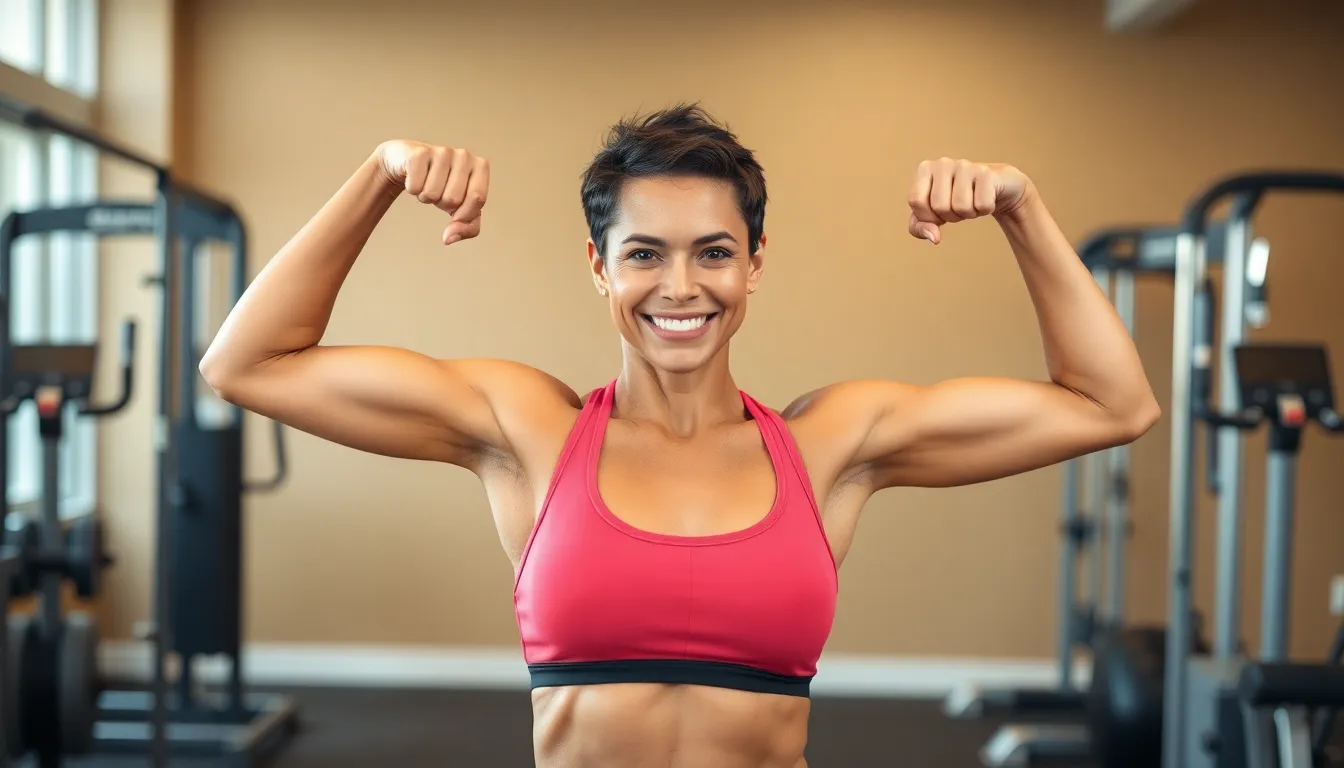
For many women, hitting the gym is a ticket to feeling fabulous and fit. But what happens when the scale starts creeping up instead of down? It’s like ordering a salad and getting a side of fries—unexpected and a bit confusing. The truth is, gaining weight while working out can be a common experience, and it’s not always a sign of failure.
Muscle weighs more than fat, and those squats might just be turning them into a powerhouse. But let’s not forget about water retention and hormonal changes that can throw a wrench in the works. Understanding these factors can help women navigate their fitness journey with a sense of humor and a dash of confidence. So, let’s dive into the reasons behind this phenomenon and discover how to embrace the gains—both in strength and in self-love.
Understanding Female Weight Gain
Women often find themselves puzzled by weight gain while working out. Understanding the underlying factors can foster a more positive fitness experience.
Factors Contributing to Weight Gain
Muscle mass plays a significant role. With strength training, women can gain muscle, which weighs more than fat. Water retention also factors into this equation; hormonal fluctuations, particularly during the menstrual cycle, can lead to temporary weight increases due to fluid accumulation. Furthermore, increased calorie intake to fuel workouts may contribute to weight gain. Psychological factors, like stress or emotional eating, can also influence body weight during fitness journeys.
Myths About Weight Gain and Exercise
Common misconceptions abound regarding weight gain and exercise. One belief is that all weight gain is unfavorable, which disregards the benefits of building muscle. Another myth suggests that exercising alone guarantees weight loss, ignoring the importance of nutrition. Many assume that cardio is the sole way to lose weight, while resistance training also plays a crucial role. Additionally, some think that weight gain indicates failure, overlooking the positive changes occurring inside the body. Recognizing these myths can empower women to embrace their journeys confidently.
The Science of Muscle Growth

Understanding muscle growth is essential for women experiencing weight gain while working out. This process influences body composition in significant ways.
Why Muscle Weighs More Than Fat
Muscle tissue is denser than fat tissue, leading to higher weight per volume. One pound of muscle occupies less space than one pound of fat. As women engage in strength training, increased muscle mass can result in a smaller body size despite higher scale numbers. This change often confuses many, given that body fat reduction occurs alongside muscle growth. Adopting a long-term perspective on fitness helps in recognizing these shifts. Ultimately, increased muscle mass promotes a healthier metabolism, making this form of weight gain beneficial.
The Role of Water Retention
Hormonal fluctuations can cause water retention, impacting short-term weight changes. Both menstrual cycles and exercise intensity can lead to temporary increases in water weight. For women, these cycles often bring about a noticeable variance in weight retention. When enhancing an exercise routine, the body may retain more water to support muscle recovery and repair. Increased hydration after workouts contributes to this effect, providing necessary nutrients to muscles. Recognizing the role of water retention allows women to better understand fluctuations in weight during their fitness journeys.
Impact of Diet on Weight Management
Diet plays a significant role in weight management for women who gain weight while working out. Understanding nutrition’s impact helps in making informed decisions about food intake.
Importance of Nutrition
Nutrition directly influences body composition. Consuming a balanced diet rich in whole foods like fruits, vegetables, lean proteins, and healthy fats supports muscle growth. Women engaged in regular strength training should focus on adequate protein intake, typically around 1.2 to 2.0 grams per kilogram of body weight. This quantity helps in muscle recovery and growth, which are essential for improving metabolism. Additionally, proper hydration aids in performance and recovery. Ensuring an appropriate caloric intake that aligns with energy expenditure also plays a critical role in managing weight.
Common Dietary Mistakes
Common dietary mistakes often impede weight management efforts. Overeating healthy foods can still lead to excess calorie consumption. Some women neglect carbohydrates, which are vital for energy during workouts, causing fatigue. Skipping meals creates a cycle of overeating later, disrupting metabolic balance. Additionally, relying on processed foods frequently lacks essential nutrients despite what looks like a low-calorie option. Tracking food intake helps women become aware of their eating habits. Planning meals can prevent impulsive decisions, ensuring a more structured and effective approach to diet.
Psychological Aspects of Weight Gain
Weight gain while exercising presents psychological challenges for women. Understanding these issues helps in navigating fitness journeys effectively.
Body Image Issues
Body image concerns can significantly impact women’s self-esteem. Increased muscle mass may not align with societal beauty standards, causing dissatisfaction despite physical progress. Women often compare themselves to unrealistic ideals portrayed in media. This comparison can lead to a distortion of self-perception, where one fails to recognize their strength and accomplishments. Embracing a healthier body image involves recognizing the positive changes resulting from workouts, such as improved strength and endurance. Furthermore, promoting self-acceptance plays a crucial role in fostering a resilient mindset in the face of weight fluctuations.
The Mind-Workout Connection
The relationship between mental state and workout success is substantial. Positive thinking enhances motivation and commitment to fitness routines. When women experience stress or emotional challenges, they may turn to emotional eating as a coping mechanism. Recognizing this pattern can empower women to adopt healthier strategies, such as mindfulness or engaging in enjoyable activities. Additionally, focusing on attainable goals promotes persistence in exercise, aiding in both mental and physical transformations. Building a supportive community also plays a significant role in improving mental health and encouraging consistency in workouts.
Successful Strategies for Weight Management
Successful weight management combines realistic goals and balanced workout plans. Both elements empower women to navigate their fitness journeys effectively.
Setting Realistic Goals
Setting realistic goals fosters long-term success. Women can benefit from establishing specific, measurable, and achievable targets. For example, aiming to lose 1 to 2 pounds per week provides a sustainable path. Tracking progress helps maintain motivation, while celebrating small milestones bolsters self-esteem. Being flexible in adapting goals based on body changes nurtures resilience and positivity. Prioritizing health over appearance encourages a focus on overall well-being. Adopting a holistic mindset further supports achieving fitness objectives.
Creating a Balanced Workout Plan
Creating a balanced workout plan enhances overall fitness. Including a mix of strength training, cardio, and flexibility exercises ensures comprehensive physical development. Strength training, for instance, promotes muscle growth, which aids in managing weight. Cardio activities, such as running or cycling, improve cardiovascular health. Incorporating rest days minimizes injury risk and maintains motivation. Further, varying workout intensity prevents monotony and stimulates continuous improvement. Ensuring that each session aligns with personal fitness goals reinforces dedication. Adapting the workout plan as needed keeps progress on track while fostering a positive relationship with fitness.
Navigating weight gain while working out can be a complex journey for women. It’s crucial to recognize that muscle growth and temporary fluctuations are part of the process. Embracing strength and self-love is vital for maintaining motivation and a positive body image.
Focusing on balanced nutrition and informed dietary choices supports fitness goals and overall health. By setting realistic targets and creating a well-rounded workout plan, women can foster a sustainable approach to fitness.
Ultimately, prioritizing health over appearance and cultivating a supportive community can empower women to thrive in their fitness journeys, celebrating both their progress and their strength.


