
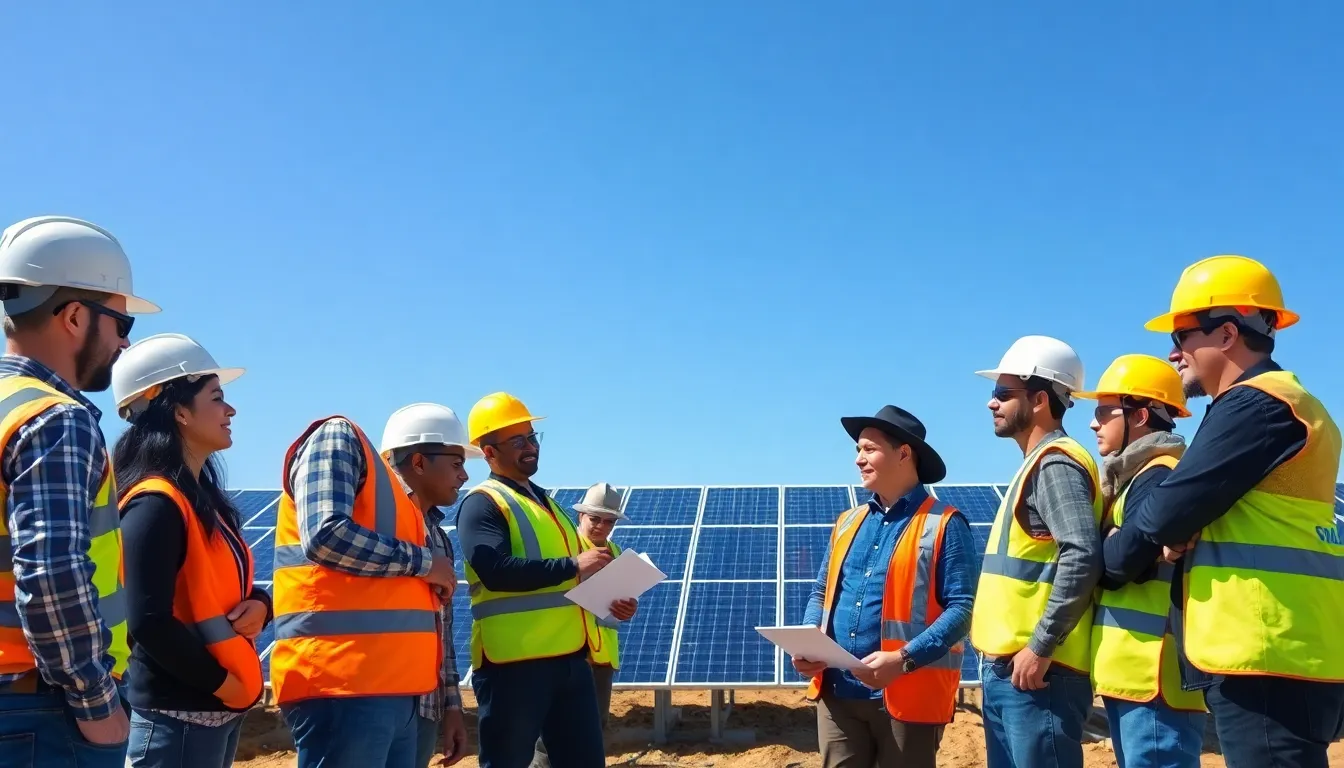
As the world grapples with climate change and dwindling fossil fuel resources, green energy tech emerges as a beacon of hope. This innovative sector harnesses renewable energy sources like solar, wind, and hydro to create sustainable solutions that reduce carbon footprints and promote environmental stewardship.
Investments in green energy technologies are skyrocketing, driven by the urgent need for cleaner alternatives and the promise of economic growth. From cutting-edge solar panels to advanced battery storage systems, these technologies are not just transforming energy production; they’re reshaping entire industries. Understanding the latest advancements in green energy tech is crucial for anyone looking to participate in the future of our planet.
Overview of Green Energy Tech
Green energy tech encompasses various technologies that harness renewable energy sources to produce electricity, heat, and fuel. This sector primarily focuses on solar, wind, hydro, geothermal, and biomass energy. Each technology contributes uniquely to reducing carbon emissions and promoting environmental sustainability.
Solar Energy Technology
- Photovoltaic (PV) Systems: PV systems convert sunlight into electricity using semiconductor materials. Their efficiency has improved, with averages reaching above 20%.
- Concentrated Solar Power (CSP): CSP systems use mirrors to focus sunlight, generating heat that produces electricity. CSP is particularly effective in arid regions.
Wind Energy Technology
- Onshore Turbines: These turbines generate power from wind currents and have become more efficient, now averaging 50% capacity factors in favorable conditions.
- Offshore Wind Farms: Offshore turbines benefit from stronger winds and can produce more energy. Recent projects indicate capacities exceeding 12 megawatts per turbine.
Hydro Energy Technology
- Hydropower Plants: These facilities utilize flowing water to generate electricity, accounting for approximately 16% of global electricity generation.
- Pumped Storage: This method stores energy by moving water uphill during low-demand periods and releasing it during peak demand, providing grid stability.
Geothermal Energy Technology
- Geothermal Power Plants: These operate by utilizing heat from within the Earth, providing a stable energy source. Average plant capacity reaches around 10 megawatts.
- Geothermal Heating Systems: These systems extract heat from the ground for residential and commercial heating, enhancing energy efficiency.
Biomass Energy Technology
- Biofuels: Produced from organic materials, biofuels serve as a renewable alternative to fossil fuels. Their production has risen by 35% over the past decade.
- Biomass Power Plants: These complexes convert organic matter into electricity, contributing to a circular economy by utilizing waste products.
Green energy tech stands at the forefront of addressing climate change, with global investments in this sector surpassing $400 billion. By enhancing energy efficiency and reducing reliance on fossil fuels, these technologies pave the way for a sustainable future.
Types of Green Energy Technologies
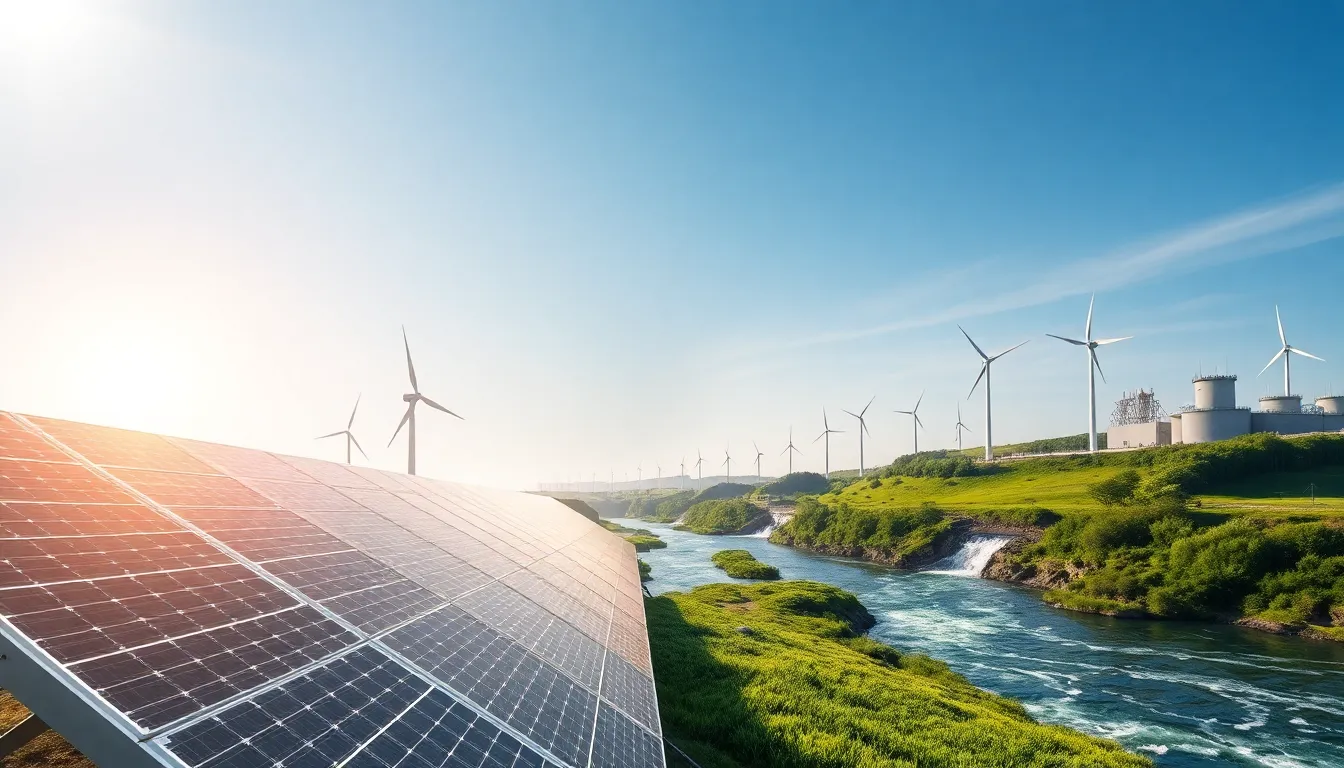
Green energy technologies harness renewable resources to produce energy sustainably. This section explores the main types of these technologies.
Solar Energy Solutions
Solar energy solutions utilize sunlight through technologies like photovoltaic (PV) systems and concentrated solar power (CSP). PV systems convert sunlight directly into electricity, making them suitable for residential and commercial applications. CSP systems use mirrors or lenses to focus sunlight on a small area, generating heat to produce electricity. The global installed solar capacity reached over 900 gigawatts in 2022, illustrating the rapid deployment of these technologies.
Wind Power Innovations
Wind power innovations harness the kinetic energy of wind through onshore and offshore wind turbines. Onshore turbines, typically located in open areas, generate electricity directly from wind flow. Offshore turbines, positioned in bodies of water, often benefit from stronger and more consistent wind currents. In 2022, global wind energy capacity surpassed 900 gigawatts, with offshore capacity contributing significantly to this growth. Wind energy is a key player in reducing reliance on fossil fuels and minimizing carbon footprints.
Hydropower Advances
Hydropower advances utilize water flow to generate electricity, employing technologies like hydropower plants and pumped storage systems. Traditional hydropower plants rely on river flow to turn turbines, producing electricity efficiently. Pumped storage systems store energy by moving water between reservoirs, enabling grid stability and energy dispatch during peak demand. In 2022, hydropower provided around 16% of the world’s electricity, affirming its role as a reliable and renewable energy source.
Benefits of Green Energy Tech
Green energy technology offers numerous advantages that promote environmental sustainability and economic growth. These benefits span over various sectors, impacting individuals, businesses, and the planet.
Environmental Impact
Green energy tech significantly reduces carbon emissions associated with traditional energy sources. Solar, wind, and hydroelectric technologies contribute to cleaner air and improved public health. By displacing fossil fuels, these renewable sources also minimize harmful pollutants that lead to climate change. The reduction of greenhouse gas emissions plays a critical role in mitigating global warming. In 2022, renewables accounted for over 80% of new electricity capacity additions worldwide, reflecting their positive environmental implications.
Economic Advantages
Green energy tech creates economic opportunities through job creation and investment growth. The sector employs over 11 million people globally, a number expected to rise as renewable energy adoption increases. Investment in green technologies is projected to surpass $1 trillion by 2030, stimulating economic development. Additionally, reduced dependence on imported fossil fuels enhances energy security and fosters stable energy prices. Overall, transitioning to green energy supports sustainable economic growth, making it a viable solution for future energy demands.
Challenges in Green Energy Tech
Green energy technology faces several challenges that hinder its widespread adoption and efficiency. Addressing these obstacles is essential for achieving a sustainable energy future.
Technological Barriers
Technological barriers significantly slow down the progress of green energy tech. First, efficiency limitations in renewable energy conversion hinder widespread implementation. For example, solar panels typically convert only 15-20% of sunlight into electricity. Second, energy storage technologies struggle to match supply with demand due to their high costs and limited capacity. Current battery technologies, like lithium-ion, often fall short in longevity and environmental sustainability. Third, grid integration remains a concern, as many energy grids lack the infrastructure to support decentralized energy sources, complicating the transition to renewables. Addressing these technological issues is crucial for enhancing the reliability and efficiency of green energy systems.
Policy and Funding Issues
Policy and funding issues present significant barriers to green energy tech adoption. First, inconsistent regulatory frameworks create uncertainty for investors, deterring investments in new technologies. Changes in government priorities can lead to fluctuating funding, impacting long-term projects. Second, financial incentives, such as tax credits and subsidies, often favor traditional energy sources. This imbalance makes it difficult for renewable energy projects to compete on equal footing. Third, the need for substantial upfront capital investment in infrastructure remains a significant hurdle. Many renewable projects require millions in initial funding, which can deter smaller developers. Resolving these policy and funding challenges is vital for fostering a more favorable environment for green energy technology innovations.
Future Trends in Green Energy Tech
Future trends in green energy technology indicate a strong shift toward greater efficiency and accessibility. Increased adoption of artificial intelligence (AI) and machine learning enhances energy management and predictive maintenance in renewable systems. AI optimizes energy production by analyzing data from solar panels and wind turbines, leading to improved operational efficiency.
Next-generation energy storage solutions will play a critical role in the advancement of green energy tech. Solid-state batteries and advanced lithium-ion technologies promise longer life, faster charging, and higher energy densities. These innovations address energy storage challenges, allowing for a more consistent energy supply from intermittent sources like solar and wind.
Moreover, the integration of smart grids will transform energy distribution. Smart grids enable real-time monitoring and management of energy resources, improving efficiency and minimizing energy losses. They facilitate better integration of distributed energy resources, allowing consumers to participate in energy production through decentralized systems.
The growth of green hydrogen technology represents another significant trend. Electrolysis, powered by renewable energy, generates hydrogen as a clean energy carrier. Industries are exploring green hydrogen for heavy-duty applications and long-term energy storage, reducing dependence on fossil fuels.
Furthermore, carbon capture and utilization (CCU) technologies are emerging as essential extensions for green energy systems. CCU captures carbon dioxide emissions for repurposing in various industrial processes, minimizing environmental impact. This approach supports climate change mitigation efforts.
Finally, the expansion of eco-friendly policies and global commitments to climate goals will drive investment in green energy tech. Countries are setting ambitious targets for carbon neutrality, propelling innovations and adoption of renewable energy technologies. Collaborative efforts between governments and private sectors will accelerate research and development, paving the way for groundbreaking advancements in green energy.
Green energy technology stands at the forefront of the fight against climate change and the transition to sustainable energy solutions. As advancements continue to reshape the energy landscape, the potential for economic growth and environmental benefits becomes increasingly clear.
Investments in renewable energy sources are not just a trend; they represent a pivotal shift toward a cleaner and more sustainable future. By embracing these technologies, society can reduce its carbon footprint while fostering job creation and energy security.
Staying informed about developments in this sector is essential for individuals and businesses alike. The journey toward a greener planet is ongoing, and the role of green energy tech will only grow more significant in the years to come.


