

In a world where the only thing growing faster than weeds is technology, precision agriculture is the superhero farmers didn’t know they needed. Imagine crops that thrive like they’ve got their own personal trainers, all thanks to cutting-edge tools that optimize every inch of farmland. This isn’t just farming; it’s farming 2.0, where data meets dirt in a beautiful partnership.
Gone are the days of guesswork and hoping for rain. With sensors, drones, and data analytics, farmers can now make informed decisions that boost yields and save resources. It’s like having a crystal ball—if that crystal ball also helped with soil moisture levels and pest control. As agriculture evolves, precision technology is leading the charge, proving that when it comes to farming, every pixel counts. Dive in to discover how this tech revolution is reshaping the future of food production.
What Is Precision Agriculture Technology?
Precision agriculture technology enables farmers to enhance their farming practices through the use of advanced tools and techniques. It focuses on managing variations in fields to improve efficiency and crop productivity. Technologies like sensors and drones collect valuable data on soil health, moisture levels, and crop conditions.
Farmers utilize geographic information systems (GIS) to map their fields. Data analytics transform raw data into actionable insights. Through analysis, agriculture professionals can determine optimal planting times, fertilizer requirements, and irrigation schedules.
Automation plays a crucial role in precision agriculture. Automated equipment, such as tractors and harvesters, increase operational efficiency and reduce labor costs. Remote sensing technology provides real-time information about crop growth and health, allowing for timely interventions.
Data management systems store and process information, making it easily accessible. Cloud computing facilitates collaboration among agricultural stakeholders, enabling them to share insights and strategies. By integrating these technologies, farmers can adapt to climate challenges and optimize resources.
Yield monitoring systems track crop performance throughout the growing season. They provide metrics that help farmers evaluate which practices yield the best results. As a result, farmers can make informed decisions that impact profitability and sustainability.
Adopting precision agriculture technology promotes responsible resource use. It enables targeted application of inputs, reducing waste and environmental impact. This innovative approach significantly influences food production’s efficiency and sustainability, ensuring that agricultural practices meet future demands.
Benefits of Precision Agriculture Technology
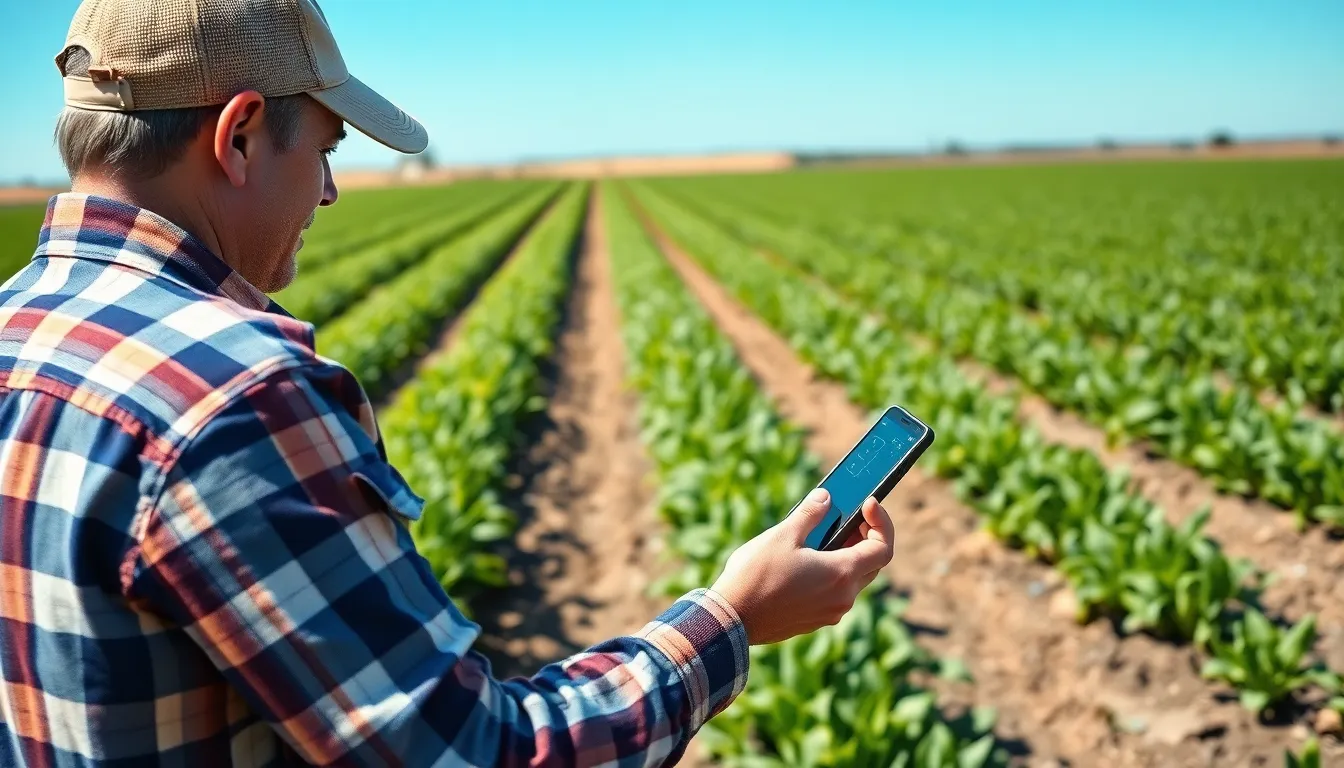
Precision agriculture technology delivers multiple advantages that significantly enhance farming practices. With targeted approaches, farmers experience substantial improvements in various areas.
Improved Crop Yields
Using precision agriculture increases crop yields by allowing farmers to tailor their strategies. Data-driven insights enable farmers to identify optimal planting times and conditions. Remote sensing technology assesses crop health in real time, helping farmers make informed decisions. Targeting specific areas needing attention enhances overall productivity. Yield monitoring systems track performance, revealing the most effective practices. Farmers achieve higher output through targeted interventions, enhancing not only their profits but also food security.
Resource Management
Efficiency in resource management becomes a reality with precision agriculture tools. IoT devices and sensors monitor soil moisture and nutrient levels. This real-time data allows farmers to apply water and fertilizers precisely where needed. Reducing excess application minimizes waste and environmental impact. GIS technology assists in mapping fields, highlighting variations that require tailored inputs. Streamlining resource use leads to cost savings, fostering sustainable practices. Overall, improved management of inputs directly contributes to ecological balance, ensuring responsible farming practices.
Key Components of Precision Agriculture Technology
Precision agriculture technology incorporates several key components that enhance farming practices through advanced data collection and management.
GPS and Geolocation
GPS technology offers farmers precise location data for field mapping and analysis. Accurate geolocation information allows for targeted interventions and resource allocation. Real-time positioning enables effective management of equipment and crops, reducing input costs. It enhances efficiency by enabling farmers to monitor their fields closely and respond instantly to variable conditions. This technology significantly influences the ability to manage spatial variability, leading to optimized planting and harvesting practices.
Drones and Aerial Imagery
Drones provide comprehensive aerial imagery, allowing for extensive field surveillance and crop monitoring. These devices capture high-resolution images, revealing insights into crop health and growth patterns. By using drones, farmers can assess vegetation indices and detect issues like pest infestations or nutrient deficiencies early. This timely feedback allows for precise interventions, improving overall crop management. Additionally, aerial imagery aids in planning field operations more effectively, enhancing productivity.
Soil Sensors and Monitoring
Soil sensors play a crucial role in collecting real-time data on soil conditions, such as moisture levels and nutrient content. These sensors provide continuous monitoring, enabling farmers to make informed decisions regarding irrigation and fertilization. Accurate soil data helps to optimize resource usage and reduce waste, promoting sustainable farming practices. Implementing soil sensors results in enhanced crop yields and improved environmental outcomes, as farmers can tailor their approaches based on specific soil requirements.
Challenges and Considerations
Despite significant benefits, precision agriculture technology presents several challenges that farmers must navigate. Understanding these challenges is crucial for successful implementation.
Cost of Implementation
Initial costs for precision agriculture systems can be substantial. Costs vary from hardware investment like sensors and drones to software for data analysis. Farmers often face challenges in justifying these expenses, especially those in smaller operations. Long-term savings on labor and resources may offset initial investments, but farmers require strategic financial planning to ensure a positive return on investment. Support from government programs can provide essential funding opportunities to assist with adoption. Additionally, education on technology use might help maximize the value of these investments.
Data Management and Security
Data management in precision agriculture involves handling vast amounts of sensitive information. Data breaches pose a real threat, making it essential to implement robust cybersecurity measures. Farmers must understand data ownership and privacy regulations. Reliable data integration and analytics tools are necessary for effective decision-making, yet training on these tools remains critical. Ensuring that agricultural data is precise and secure leads to informed decisions that can significantly impact production. Furthermore, establishing protocols for data sharing between stakeholders fosters trust and collaboration in the agricultural community.
Future Trends in Precision Agriculture Technology
Emerging technologies will continue to reshape precision agriculture, enhancing its efficiency and effectiveness. Autonomous machinery plays a critical role in this evolution. As robots and automated tractors take over repetitive tasks, farmers can allocate their time to more strategic decisions.
Integration of artificial intelligence will advance data analysis capabilities. By utilizing AI, farmers gain insights from large datasets, allowing for predictive analytics that improve planning and crop management. Enhanced decision-making processes contribute significantly to overall productivity.
Sustainability initiatives will expand in precision agriculture. Adoption of environmentally friendly practices, like using fewer chemicals and optimizing resource utilization, aligns with global sustainability goals. Implementing these practices attracts consumers who increasingly prioritize eco-friendly products.
Data-sharing platforms are expected to grow in importance. As collaboration among farmers, researchers, and agribusinesses increases, access to shared data will drive innovation and improve practices across the industry. Real-time information exchange allows faster responses to evolving challenges.
Furthermore, precision livestock farming is gaining traction. Monitoring individual animal health using IoT devices can enhance livestock productivity and welfare. This shift ensures that livestock management aligns with precision agriculture methodologies.
Investments in drone technology will provide farmers with advanced monitoring capabilities. Drones equipped with high-resolution cameras allow for rapid assessments of crop health, helping identify issues promptly. Early detection leads to timely interventions that sustain yields.
Lastly, the demand for skilled professionals in precision agriculture will rise. As technology becomes integral to farming, knowledge in data analysis, technology management, and sustainable practices is essential. Partnerships with educational institutions will help bridge the skills gap.
Precision agriculture technology is reshaping the landscape of modern farming. By leveraging advanced tools and data-driven insights, farmers can enhance productivity while promoting sustainable practices. The integration of sensors, drones, and analytics not only improves crop yields but also optimizes resource management, paving the way for a more efficient agricultural future.
As the industry faces challenges such as initial costs and data security concerns, proactive strategies and collaboration will be essential for successful implementation. The ongoing evolution of technology promises to further revolutionize farming, emphasizing the importance of skilled professionals and continuous innovation. Embracing these advancements will ensure that agriculture can meet the growing demands of the global population while safeguarding the environment.


