

Wearable tech is revolutionizing how people interact with technology and their health. From smartwatches that track fitness to augmented reality glasses that enhance everyday experiences, these innovations are making life more convenient and connected. As technology evolves, so do the possibilities for integrating it into daily routines.
With advancements in sensors, battery life, and connectivity, wearable devices are becoming more sophisticated and user-friendly. They not only provide real-time data but also empower users to make informed decisions about their well-being. As industries embrace wearables, the impact on health, fitness, and productivity is undeniable. Exploring these innovations reveals a future where technology seamlessly integrates into our lives, enhancing both personal and professional experiences.
Overview of Wearable Tech Innovations
Wearable technology encompasses a range of devices designed to be worn on the body, enhancing various aspects of daily life. Innovations in smartwatches include fitness tracking, health monitoring, and seamless connectivity to smartphones. These devices collect data on heart rate, sleep patterns, and activity levels, promoting informed health choices.
Smart glasses offer augmented reality experiences that overlay digital information onto the real world. These innovations cater to industries such as healthcare and manufacturing, improving efficiency and user interaction. Wearable health monitors provide continuous tracking of vital signs, allowing for proactive health management.
Advances in sensors boost the accuracy of data collection, while improvements in battery life enhance usability. Connectivity options, such as Bluetooth and Wi-Fi, enable real-time data sharing between devices. Emerging technologies such as skin patches and smart clothing expand the range of applications, integrating monitoring capabilities into everyday attire.
The continuous evolution of wearable tech reflects a shift toward greater user engagement and empowerment in health and fitness. As this sector grows, more innovative solutions are expected to emerge, further intertwining technology with personal and professional life.
Key Innovations in Wearable Technology
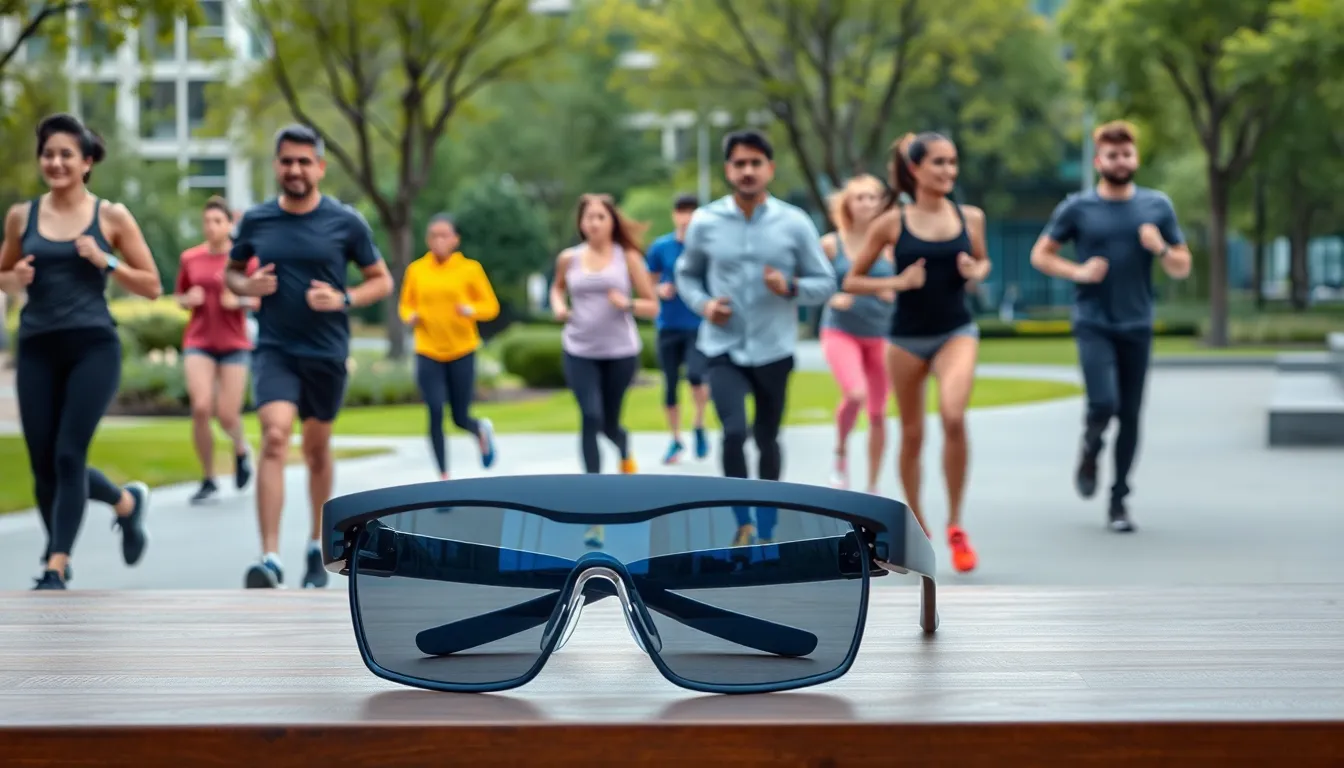

Wearable technology continues to evolve, offering numerous innovations that improve daily life and health management. Key advancements in this field include smartwatches, fitness trackers, and augmented reality glasses.
Smartwatches and Fitness Trackers
Smartwatches and fitness trackers exemplify the leading edge of wearable technology. These devices monitor various health metrics, including heart rate, sleep quality, and physical activity levels. They often integrate GPS functionality, enabling users to track workouts accurately. Features like notifications and music control enhance convenience, keeping users connected without reaching for their smartphones. Significant battery life advancements support extended use, allowing continuous health monitoring throughout the day. Notable products include the Apple Watch Series 9 and Fitbit Charge 5, both of which prioritize user experience and data accuracy.
Augmented Reality Glasses
Augmented reality (AR) glasses offer innovative applications in multiple sectors. These devices overlay digital information onto the real world, enhancing user interaction within their environments. Industries such as healthcare use AR glasses for surgical guidance, allowing professionals to visualize patient data in real-time during procedures. Retailers leverage AR technology to enhance customer experiences by enabling virtual try-ons. Companies like Microsoft and Google have made strides with devices like HoloLens 2 and Google Glass Enterprise Edition 2. As technology advances, AR glasses are expected to integrate seamlessly into everyday tasks, revolutionizing how users engage with their surroundings and information.
Impact on Health and Fitness
Wearable technology significantly influences health and fitness by providing real-time data and insights, enabling users to make informed decisions regarding their well-being.
Monitoring and Data Collection
Wearable devices collect a wide array of health metrics, including heart rate, steps taken, calories burned, and sleep patterns. Smartwatches and fitness trackers utilize sensors to gather this information continuously, allowing users to monitor their health metrics effortlessly. For instance, the Apple Watch Series 9 tracks heart rate variability and oxygen saturation, enhancing personal health insights. Data collected helps individuals understand their physical activity levels, adapt their exercise routines, and set achievable fitness goals. Moreover, many devices sync data with health apps, offering comprehensive health profiles that assist healthcare professionals in decision-making.
Enhancing Performance and Recovery
Wearable tech improves athletic performance and recovery through data-driven insights. Devices like the Fitbit Charge 5 provide personalized coaching, adjusting workout intensity based on recovery metrics. Innovative features such as training load analysis, sleep tracking, and stress monitoring aid athletes in optimizing performance. For example, athletes can assess their sleep quality to determine its impact on training effectiveness. Additionally, recovery recommendations based on biometrics guide users in preventing injuries and understanding when to push harder or take rest days. Such insights ensure that individuals leverage their wearables to achieve optimal performance while maintaining overall health.
Wearable Tech in Everyday Life
Wearable technology seamlessly integrates into daily activities, enhancing convenience and style. Innovations span fashion trends and smart home integration, showcasing the versatility of wearables.
Fashion and Design Trends
Wearable tech emphasizes aesthetics alongside functionality. Designers prioritize sleek, modern aesthetics in devices, attracting consumers who value both style and performance. Notable collaborations, like luxury brands partnering with tech companies, push the boundaries of wearable design. Smart jewelry, like rings and bracelets, provides discreet notifications, combining elegance with technology. Functional clothing, such as smart fabrics that monitor body temperature and biometrics, also gains traction, further bridging the gap between fashion and technology.
Integration with Smart Homes
Wearable devices increasingly connect with smart home ecosystems, enhancing user control and convenience. Smartwatches control home devices, such as lighting and thermostats, allowing users to manage their environments directly from their wrists. Fitness trackers can communicate with home health systems, coordinating with devices to provide comprehensive health insights. This integration leads to a more cohesive lifestyle, where wearables contribute to home automation and overall well-being, making everyday tasks more efficient and interconnected.
Future Trends in Wearable Technology
Wearable technology continues to evolve, with innovations poised to redefine user experiences and capabilities. Emerging technologies and market predictions highlight promising developments in this dynamic field.
Emerging Technologies and Concepts
Wearable technologies are increasingly incorporating artificial intelligence (AI) and machine learning (ML) to enhance functionality. AI algorithms analyze user data to provide personalized recommendations for health and fitness, such as tailored workout routines and nutrition advice. Advanced biosensors are under development, enabling devices to monitor more complex health metrics, such as blood glucose levels and hydration status. Wearables are also exploring integration with unique concepts like brain-computer interfaces, allowing users to control devices using neural signals, which could revolutionize accessibility for individuals with disabilities.
Augmented reality (AR) continues pushing boundaries, with innovative applications in navigation, gaming, and remote assistance. New devices featuring improved optics and lightweight designs promise greater comfort and usability. Furthermore, hand gesture recognition technology is being integrated into wearables, allowing users to interact seamlessly without physical contact, enhancing usability in various contexts.
Predictions for Market Growth
Market analysts predict the wearable technology sector will experience significant growth, with forecasts estimating a compound annual growth rate (CAGR) of approximately 20% over the next five years. Factors contributing to this expansion include increasing health consciousness among consumers and rising demand for remote health monitoring due to the aging population. The surge in chronic health conditions drives interest in wearables as preventive tools for health management.
Additionally, advancements in connectivity, particularly with 5G technology, enable faster data transfer and enhance user experiences across wearable devices. Companies are also investing in research and development, leading to innovative product launches that cater to diverse consumer needs. As integration with smart home technologies continues, wearables will become essential components of modern living, further solidifying their place in the tech landscape.
Wearable technology is reshaping how individuals approach health fitness and daily tasks. The seamless integration of smart devices into everyday life enhances convenience while empowering users with valuable insights. As innovations continue to emerge the potential for wearables to transform personal and professional experiences grows.
The focus on aesthetics alongside functionality signals a new era in tech fashion where style meets utility. With advancements in AI and biosensors the future promises even more personalized health solutions. As the market expands wearables are set to become indispensable tools in modern living driving a shift towards a more connected and health-conscious society.


